VIKSIT BHARAT SANKALP YATRA
Mission 2047, Vision 2100

The Story of Deshpremi and Aashiq
How a Single Video on the Internet Shook My Conscience?
Yash Jangid
6/6/20244 min read
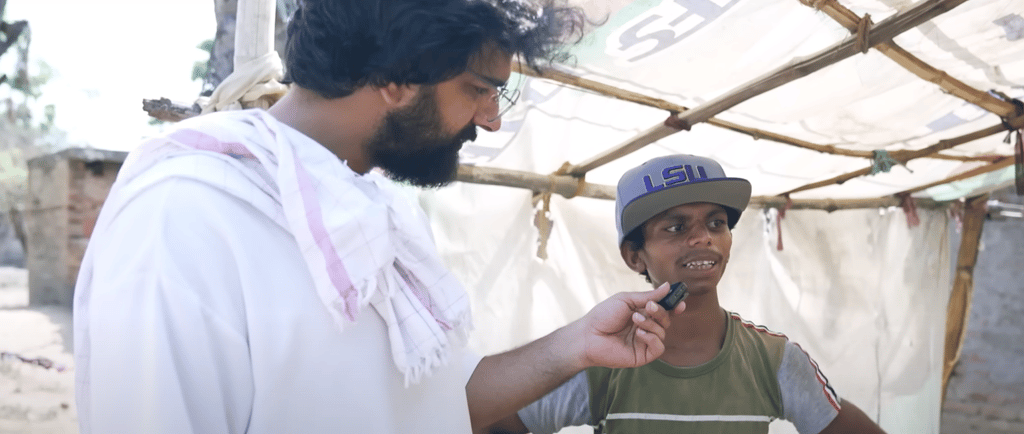
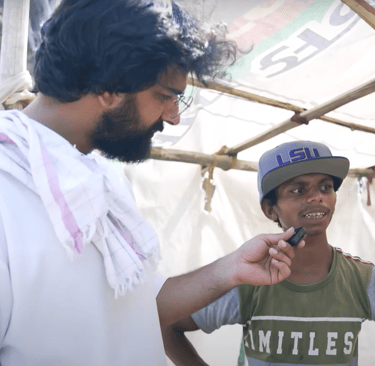
Yesterday, while scrolling through my Instagram feed, I came across a reel titled "In Durgapur, managing three meals each day is a constant struggle" from the account @unfiltered_bysamdish. This reel shook my conscience deeply. It made me feel both sad and ashamed of myself. I felt ashamed because there are still brothers and sisters in my country struggling to obtain the basic necessities of life. This reel tells the story of the untold 'Struggling India' rather than the 'Aspirational India' we often hear about.
In the reel, reporter Samdish Bhatia interviewed an 18-year-old boy named Deshpremi from Bihar about his struggles. Deshpremi mentioned that for his livelihood, he repairs cycles, earning just enough to buy aata (wheat flour) and chawal (rice). There are days when he struggles to get even two meals and has to sleep without eating. He also talked about the problems he faces due to casteism. It was very hard to resist tears while watching that reel.
The first thing I did this morning was to watch the entire video on Unfiltered By Samdish’s YouTube channel titled "I Time Travelled To This 18th Century Village in Bihar, Bharat Ek Khoj Ep18." In this video, Samdish visited Durgapur in Bodh Gaya, Bihar, and interviewed local residents. This particular video conveyed the kind of pain our countrymen still endure.
In one part of the video, the interviewer asked a resident how many children he have. The man responded, "Two sons and two daughters." When asked about their schooling, he responded further. The interviewer then asked, "Kahan tak padhayenge?" The local man replied, "Metric tak, Harijan ka bacha itna hi padh lega toh bahut acha baat hain." This response speaks volumes. It communicates a sense of being forced to be content due to constant discontentment. It means they have lost hope that their lives can improve and have accepted what little they get, even if it’s below the basics of life.
India's biggest enemies are poverty, casteism, and corruption. I, myself, come from the Other Backward Class of 'Suthar/Jangid,' traditionally and currently involved in carpentry. I am not hesitant to confess that during my school days, I was made to feel lowly because of my caste. However, I never let it impact me. Whenever necessary, I stood against it and fought through reasoning with anyone who tried using the caste card against me.
All humans are equal. No one is inferior, and no one is superior – this is a simple fundamental truth. I wholly believe in this truth. Those who don’t believe or dispute this are mentally weak and sick, and for them, no medicine or argument can cure them. It's important to note that those who dispute the simple fundamental truth of 'all humans are equal' are always suffering internally and socially and hardly manage to live a meaningful life. No religion in the world supports the argument of one being superior or inferior. The superiority or inferiority of an individual (or community), if decided, is decided by their actions rather than their birth. If you find anyone who claims or thinks themselves superior just because they were born into a specific caste or religion, they are a fool and must be condemned.
Superior are those who adhere to the principles of love (Prem), truth (Satya), and non-violence (Ahimsa).
Harijans are 'Hari Ke Jan,' children of God, and therefore, I am also a Harijan. If you don’t consider yourself a Harijan, then you will attract the suffering of punishment for going against the very principles of nature.
Then, in the video, comes the full story of Deshpremi, who narrates the struggles he endures routinely. When I was 18, I was thinking about which college I should join, essentially planning my future. But my friend, Deshpremi, has to struggle just to secure his meal for the day. He lives without his father, who is doing majdoori (labour) in another city. This was extremely sad to watch. I cannot express the feeling of pain that I felt watching that video. To truly experience it, I urge you to watch the video yourself.
Further, in the video, Samdish talks to children and other locals. But there was one person in the video who couldn’t speak yet made me think about him. Samdish talks to a lady living in the village without her husband, along with her four children. Her husband, like Deshpremi’s father, works as a laborer in another city, which is the common story of nearly every household in Bihar. This lady has a six-month-old child named Aashiq. As she narrated her struggles in getting basic amenities like electricity and good education for her children, I got so moved that I started worrying about Aashiq, hoping he doesn’t have to face all these struggles.
While watching, a few thoughts came to my mind:
1. India cannot grow until growth starts from the village. Actual growth will start when villages start growing first, creating employment in villages.
2. It is our collective responsibility as a nation to ensure everyone gets good and nutritious meals every day. There should be a 24x7 supply of water and electricity, and free medical and educational services should be provided.
3. India suffers from the evil of casteism, which must be eradicated at all costs.
4. People who suffer from poverty are often pure in souls.
5. Journalists should focus on the struggles of villages in India rather than cities because that is where the actual problems lie.
Writing this piece was an impulsive decision to help calm the storm of uneasiness within me and truly put my thoughts out for the public. It also helps me remember what I need to focus on in my life.
May the struggles of Durgapur and other villages like it be resolved.
May India be freed from the evils of poverty, casteism, and corruption soon.
May our country's people receive good-quality water, food, air, and education.
May we set our egos aside and collectively fight these evils.
Let's collectively channel our energies and efforts to change India i.e., Bharat.